Choosing A Two-Way Radio That Is Right For You
Expert guidance to select the ideal communications equipment for your workforce.
Selecting the right two-way radio system ensures your team stays connected, safe, and efficient across any job site or facility. Metro Mobile Radio provides experienced technical guidance to help you navigate frequency bands, power output, licensed vs. unlicensed channels, and analog vs. digital technologies.
Choosing A two-Way Radio that is right for you!
Reliable communications tailored to your operating environment.
Two-way radios are essential for businesses and operations requiring instant, push-to-talk communications. Choosing the right radio can be challenging with so many models, frequencies, and technical features available today.
At Metro Mobile Radio Sales, we guide you through every technical consideration—from initial site surveys and frequency coordination to outfitting your entire team with durable, field-tested portable, mobile, or commercial base units.
What to Consider When Choosing a Radio
Understand the key technical parameters before investing in radio hardware.
Whether purchasing portables for security officers, mounting high-power mobile transceivers in fleet trucks, or setting up base dispatch stations, reviewing these fundamental factors ensures you choose equipment built for your mission.
Licensed Or Unlicensed?
Protect your channels from jobsite interference and cross-talk.
One of the first decisions when choosing a two-way radio is whether you need licensed or unlicensed equipment. Unlicensed radios (such as FRS or CB) operate on shared public frequencies with limited power output (often under 2 Watts), making them prone to interference from other users in commercial and urban areas.
- Licensed radios operate on exclusive commercial frequencies coordinated and authorized by ISED Canada (Innovation, Science and Economic Development Canada).
- Higher transmitting power (up to 4–5 Watts on portable handhelds and 25–45 Watts on mobile vehicle units) provides substantially greater range and penetration.
- Metro Mobile handles complete commercial radio licensing, frequency coordination, and channel programming for your business in British Columbia.
Digital or Analog?
Modern digital technology delivers superior clarity, range, and battery life.
While legacy analog radios transmit a continuous audio wave that gradually picks up static and fades as distance increases, digital radios (such as DMR) convert voice into data packets. This eliminates background engine, wind, and machinery noise while maintaining crystal-clear audio all the way to the boundary of coverage.
- Clear voice suppression: Built-in DSP technology filters out heavy machinery noise and ambient wind on outdoor job sites.
- Extended battery life: Digital two-slot TDMA transmissions use up to 40% less battery energy than equivalent analog transmissions.
- Dual-mode capability: Many modern DMR radios can operate in both analog and digital modes, allowing seamless migration from legacy gear.

Frequency Bands: VHF vs. UHF
Match your radio frequency wavelength to your physical operating environment.
Selecting between VHF (Very High Frequency, 136–174 MHz) and UHF (Ultra High Frequency, 400–470 MHz) directly dictates how radio waves travel past obstacles, vegetation, and building materials.
- VHF (Longer waves): Ideal for outdoor use across open terrain, forestry, agriculture, resource sectors, and marine waterways where line of sight is broader.
- UHF (Shorter waves): Easily penetrates steel, concrete, drywall, and commercial multi-story facilities, making it ideal for construction, warehousing, and schools.
- PoC (Push-to-Talk over Cellular): Transmits over LTE cellular networks for boundless province-wide coverage where traditional repeaters cannot reach.
Additional Hardware Specifications to Review
Durability & Ingress Protection
Commercial environments demand radios tested to military standards (MIL-STD 810) and certified with IP54, IP67, or submersible IP68 water and dust ingress protection.
Battery Chemistry & Shift Longevity
High-capacity Lithium-Ion batteries engineered with intelligent power management ensure reliable multi-shift operation, even in sub-zero British Columbia winters.
Coverage Footprint & Repeaters
Evaluate whether point-to-point simplex communication is sufficient, or if your enterprise requires base stations, repeater towers, or distributed antenna systems (BDA).
Popular Radio Models
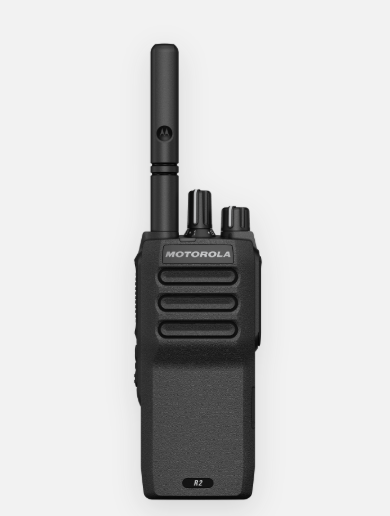
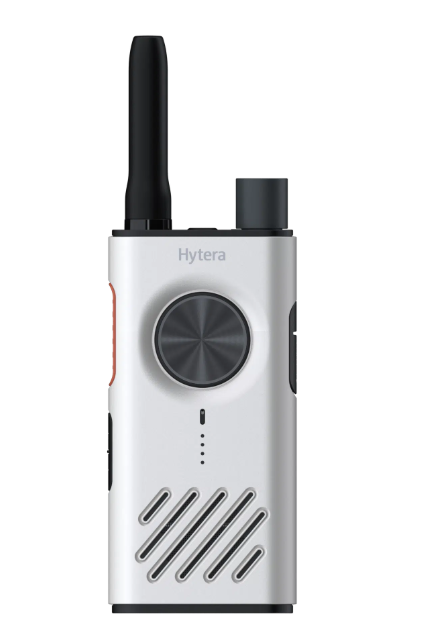
Browse popular commercial portables, base stations, and vehicle mobile transceivers chosen for reliable performance across British Columbia.
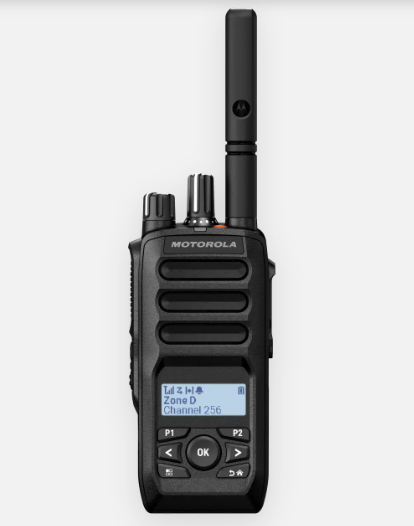
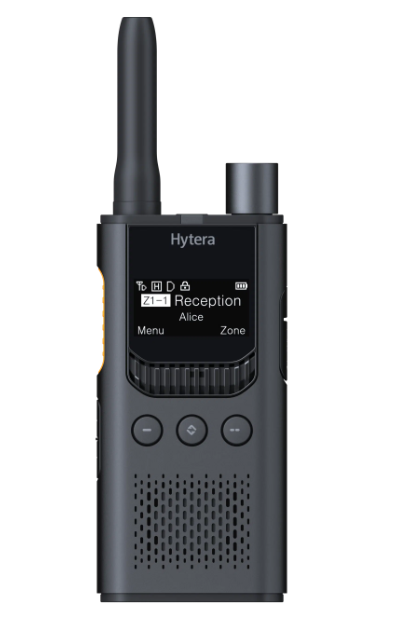
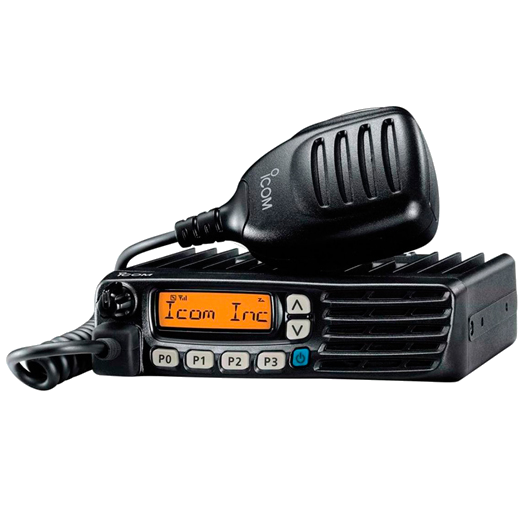
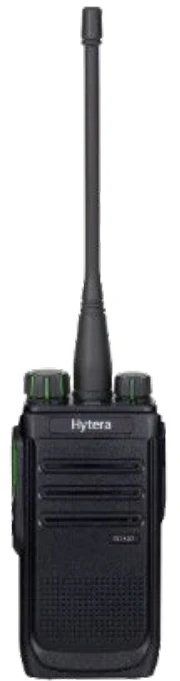
Choosing the right communications solution can be difficult Metro mobile radio sales is here to help
Get tailored advice and hands-on demonstrations from our Langley communications specialists.
Whether you need a pair of rugged portables for an event or a multi-repeater trunked radio infrastructure for your fleet, our technicians provide licensed channel coordination, programming, and warranty service across British Columbia.
Browse Our Other Communication Services
Metro Mobile delivers complete enterprise communications, from individual handsets and radio system design to installation, repairs and specialty devices.