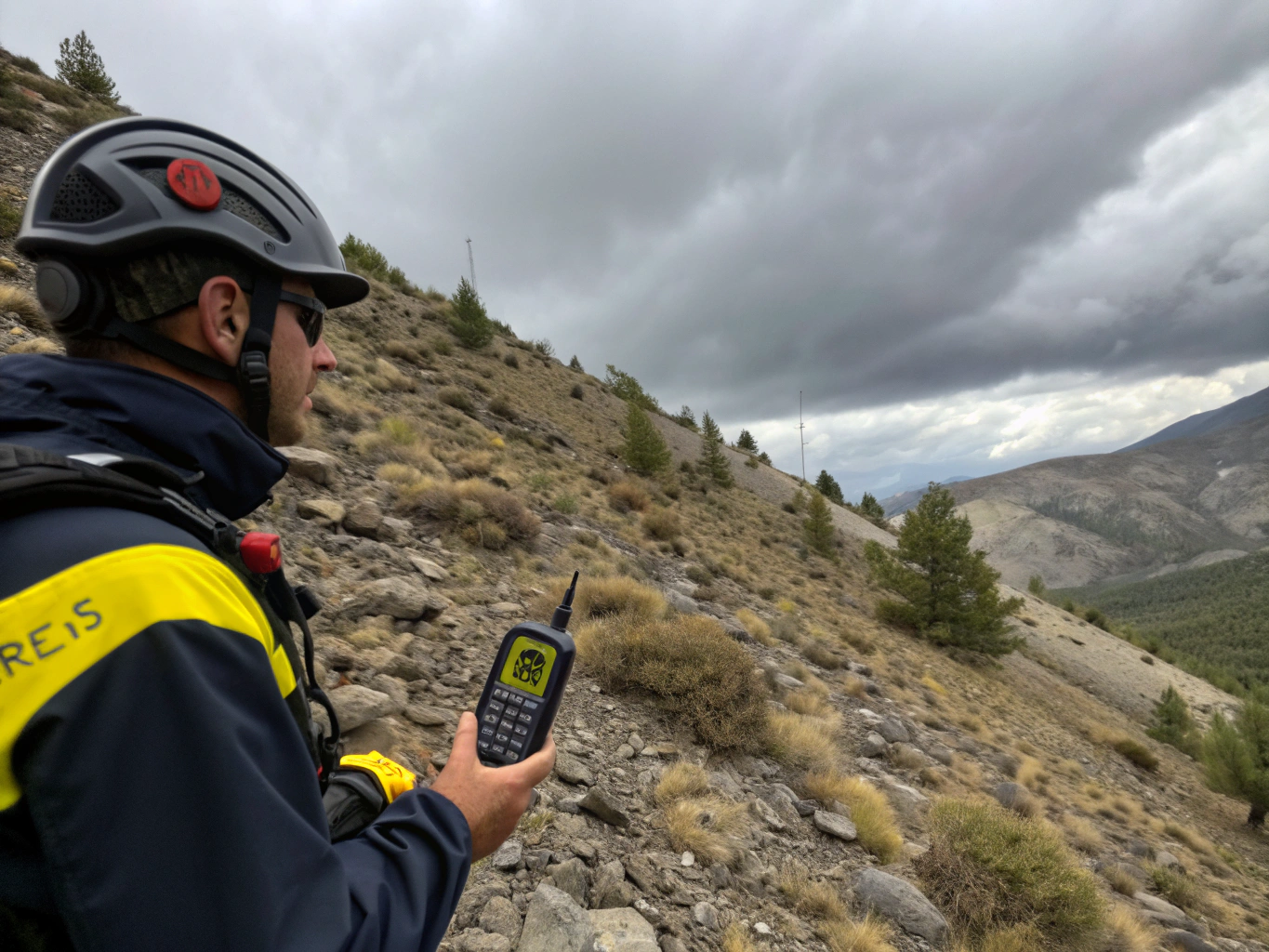
In-Building Radio Enhancement Systems
Why Bi-Directional Amplifiers are essential for public safety and enterprise operations.
Modern high-density building materials like low-e glass, concrete, and structural steel effectively block radio signals. Learn how BDAs restore mission-critical connectivity throughout your property.
A Bi-Directional Amplifier (BDA) is an in-building communication booster designed to locate, amplify, and distribute radio frequency (RF) signals between outdoor radio networks and areas within a building where wireless signals are otherwise obstructed.
In high-density commercial developments, industrial warehouses, parking structures, and multi-level facilities, radio frequency signals encounter heavy attenuation. Thick concrete shear walls, below-grade underground parking levels, metal cladding, and energy-efficient Low-E coated glass can reduce signal levels by 30 to 50 dB or more. This creates severe RF dead zones where two-way radios and first-responder handsets fail to connect.
A BDA system solves this problem by establishing a transparent RF bridge. It collects external radio signals via a roof-mounted donor antenna, amplifies those frequencies through an active amplifier unit, and distributes them throughout internal structures via a network of coaxial cabling and indoor antennas (known as a Distributed Antenna System, or DAS). Simultaneously, it captures uplink signals transmitted from handheld radios inside the building and boosts them back out to external municipal or commercial base stations.

Turnkey bidirectional amplification systems engineered to deliver zero dead zones across complex facilities.
How a Bi-Directional Amplifier Works
The term bi-directional refers to the two synchronized transmission paths the amplifier manages continuously:
1. Downlink (Rx Path)
Picks up weak over-the-air signals transmitted from dispatch towers or emergency repeater sites, filters out unwanted interference, amplifies the clean frequency, and radiates it inside through indoor antennas.
2. Uplink (Tx Path)
Collects transmissions originating from portable radios inside elevators, stairwells, or basements, amplifies the RF signal, and beams it back to the donor tower via the exterior directional antenna.
Core Components of an In-Building BDA System
A professional commercial BDA installation requires precision-matched components calibrated by licensed RF technicians:
- Donor Antenna: High-gain directional Yagi or log-periodic antenna installed on the rooftop or exterior wall, carefully aimed directly at the donor repeater site.
- Bi-Directional Amplifier Chassis: High-gain amplifier unit housed inside a weather-rated, lockable NEMA enclosure with specialized channel filtering and automatic gain control (AGC) to prevent signal distortion.
- Distributed Antenna System (DAS): A tailored internal network of low-loss coaxial cabling, splitters, couplers, and indoor dome or panel antennas spaced evenly across floors and subterranean zones.
- Battery Backup Unit (BBU): Uninterruptible power supply system delivering 12 to 24 hours of autonomous operation, keeping emergency communications active even during power outages.
Life Safety & Municipal Bylaw Mandates
In an emergency incident, first responders—including police, fire rescue, and paramedics—rely on their portable two-way radios to communicate with dispatch and coordinate incident command. If communications drop inside a concrete stairwell or basement mechanical room, personnel safety is critically compromised.
Throughout British Columbia, including Metro Vancouver and the Fraser Valley, municipalities enforce strict wireless coverage bylaws under the BC Building Code and National Fire Protection Association (NFPA) standards. Key requirements typically include:
Failure to comply with municipal radio bylaws can delay occupancy permits or fail annual fire inspections. Metro Mobile performs comprehensive initial grid testing, engineering submittals, and system certification to guarantee full municipal sign-off.
Commercial and Industrial Applications
Beyond first responder public safety compliance, bi-directional amplifiers are widely deployed to support private commercial two-way radio fleets:
- High-Rise Residential & Commercial Towers: Keeps security personnel, property managers, and maintenance teams connected from penthouse to parkade.
- Manufacturing & Distribution Warehouses: Eliminates signal shadows caused by high-density metal storage racking and heavy machinery.
- Hospitals & Institutional Campuses: Delivers instant emergency push-to-talk coverage across thick lead-lined rooms, basement tunnels, and wings.
- Underground Parking Garages & Transit Stations: Guarantees driver and patron safety with continuous voice access to central dispatch.
Choosing the right communications solution can be difficult Metro mobile radio sales is here to help
Whether you are planning a new commercial development, upgrading an existing property to meet municipal emergency radio bylaws, or expanding two-way radio coverage for your facility staff, our certified technical team delivers end-to-end support.